In this guide
- How LPR Cameras Work
- Why Parking Lots Use ANPR
- Key Specs to Compare
- Integration with Barrier Gates
Table of Contents
How do LPR cameras work?
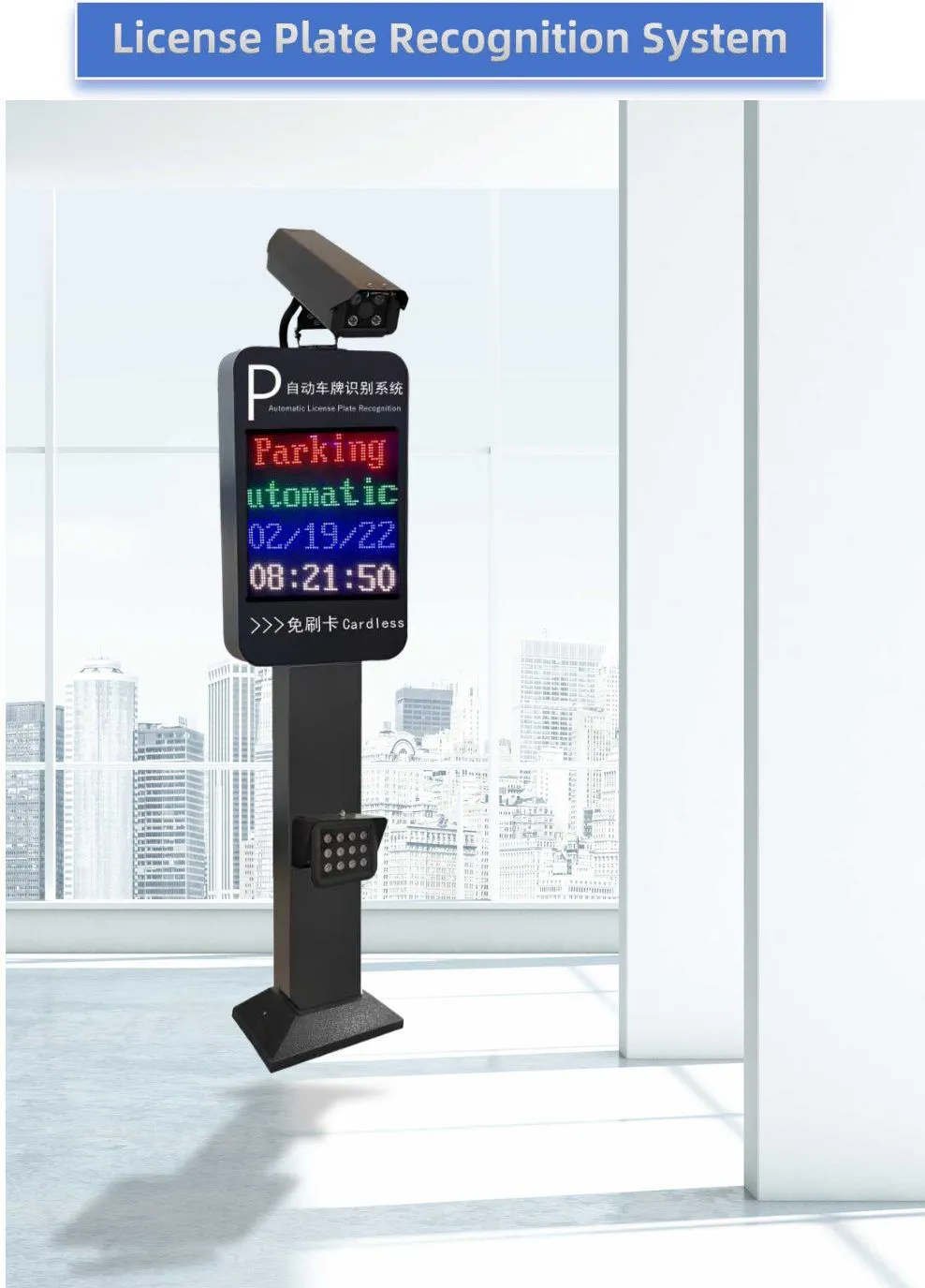
A license plate recognition camera (also called ANPR or LPR camera) captures a vehicle's plate as it approaches, reads the characters with optical character recognition, and matches the plate against a whitelist, blacklist, or payment database. Modern systems like our LPR series combine a 5MP camera with AI processing to reach recognition rates above 99% even at night and in bad weather.
The camera reads plates at speeds up to 40 km/h, covering a single lane per camera with an IR illuminator for 24/7 operation. Recognition happens on-board (edge computing) or on a local server, keeping plate data on-site and processing latency under 300ms.
Why do parking lots use ANPR?
- No tickets, no fobs — regular customers are recognized and let in automatically
- Faster entry — no stopping to take a ticket means shorter queues at peak hours
- Fraud prevention — plate-based enforcement eliminates lost-ticket and tailgating losses
- Seamless payment — the system matches entry and exit plates and charges the registered account automatically
- Security — blacklisted plates trigger alarms; all vehicle movements are logged
Which key specs should you compare?
| Spec | Why It Matters |
| Camera resolution | 5MP or higher for reliable reading across the full lane |
| Recognition rate | Look for 95–99%+ including night and rain |
| IR illuminator | Required for 24/7 low-light reading |
| Local processing | On-board AI avoids cloud dependency and monthly fees |
| Algorithms | ANPR support for multiple plate formats (US, EU, GCC, etc.) |
| Spec | Target | Why it matters |
| Camera resolution | 5 MP or higher | Reliable reading across the full lane width |
| Recognition rate | 95–99%+ | Must hold up at night and in rain |
| IR illuminator | Required | 24/7 low-light reading |
| Local processing | On-board AI | No cloud dependency or monthly fees |
| Algorithms | ANPR, US/EU/GCC formats | Multi-format plate support |
The LPR system behind these lane numbers
Camera + cloud platform
How does integration with barrier gates work?
The most common parking setup pairs an LPR camera with an automatic barrier gate: the camera reads the plate, the gate control unit opens the barrier for authorized plates, and the loop detector closes it after the vehicle passes. Adding a parking payment machine completes the loop for pay-per-use facilities. Our LPR cameras integrate directly with the barrier gate series over standard protocols, so one supplier covers the whole lane.
Wiring and protocol details for connecting the camera to a gate are covered in our LPR – barrier gate integration guide (relay, RS485 and TCP/IP).
What accuracy can I expect at night or in rain?
Look for a 95–99%+ recognition rate with an IR illuminator: a 5 MP camera with on-board AI keeps reading plates at night and in bad weather, and handles speeds up to 40 km/h without stopping the vehicle.
LPR system for parking: the lane numbers to specify
An LPR system for parking is sized one lane at a time. The list below is what a supplier needs in order to quote a lane, with the values we publish for our own LPR series — bring the same list to any vendor and the quotations become comparable.
| Parameter | Value to specify | Why it matters on site |
| Camera resolution | 5 MP or higher | Reads across the full lane width, including wide or two-row plates |
| Recognition rate | 95–99%+ including night and rain | Every unread plate becomes a manual intervention at the exit |
| Cameras per lane | One camera per lane | Entry and exit are separate lanes, each with its own camera |
| Vehicle speed at reading | Up to 40 km/h without stopping | Lets cars keep rolling instead of stopping at the arm |
| IR illuminator | Required | Oncoming headlights and dark basements are the two hardest lighting cases |
| Where the plate is processed | On-board (edge) AI | Plate data stays on site, latency stays under 300 ms, no monthly fee |
| Plate formats | Depends on the region | One software build rarely covers every country's plate layout at the same rate |
| Output to the barrier | Relay, RS485 or TCP/IP | Decides how the camera triggers the barrier gate |
Recognition rate is a test condition rather than a slogan: ask for the figure with the lighting and the plate format stated, then confirm it in a trial on your own lane. Send a photo of the lane and the plate formats you need and we will quote the camera together with the matching barrier gate, so one supplier covers the whole lane.
Conclusion
A license plate recognition camera turns a parking lane into a hands-free, automated access point. Focus on recognition rate, night performance, and local processing when comparing systems, and choose a vendor that supplies both cameras and barrier gates for clean integration. Talk to us about your site and we'll design the LPR lane for you.