Bienvenido al catálogo oficial de productos de BOOM BARRIER GATE FACTORY. Como fabricante líder con más de una década de experiencia, nos especializamos en sistemas de control de acceso vehicular y peatonal de alto rendimiento. Nuestro portafolio está diseñado para satisfacer las rigurosas demandas de seguridad y gestión de tráfico a nivel mundial.
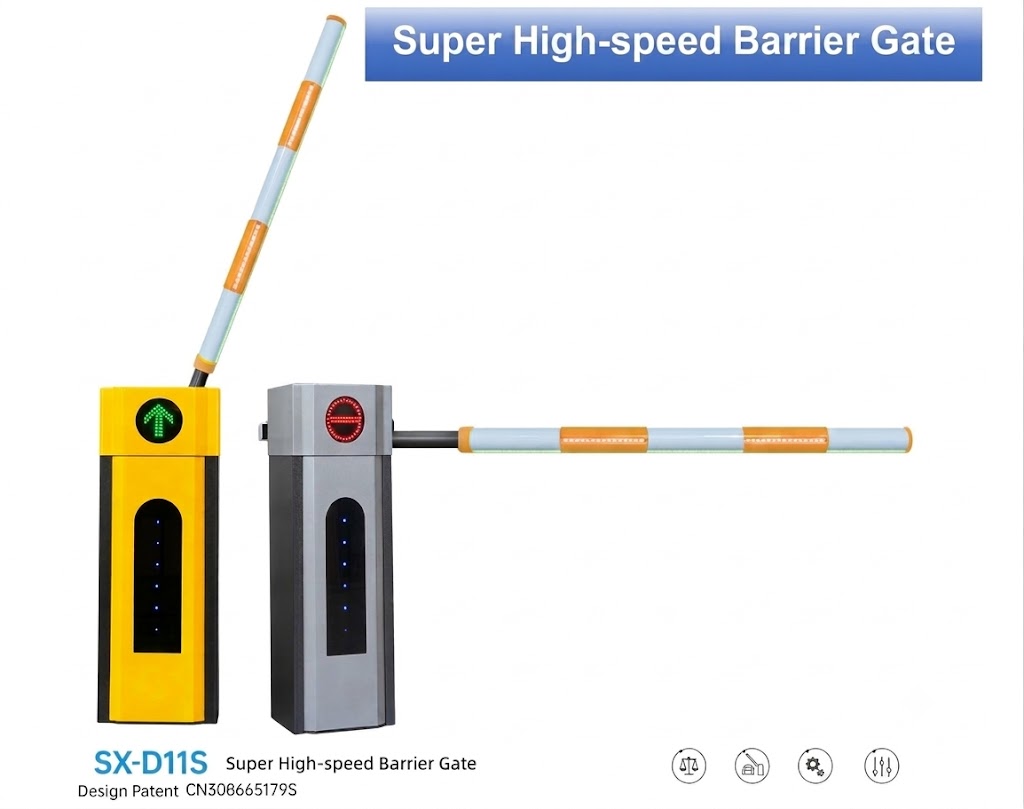
Ofrecemos desde barreras estándar con motor AC para comunidades residenciales hasta barreras de ultra alta velocidad con motor DC sin escobillas y servomotores para plazas de peaje. Cuentan con tecnologías anti-aplastamiento, función de retroceso automático y opciones de brazos rectos, articulados o de cerca.
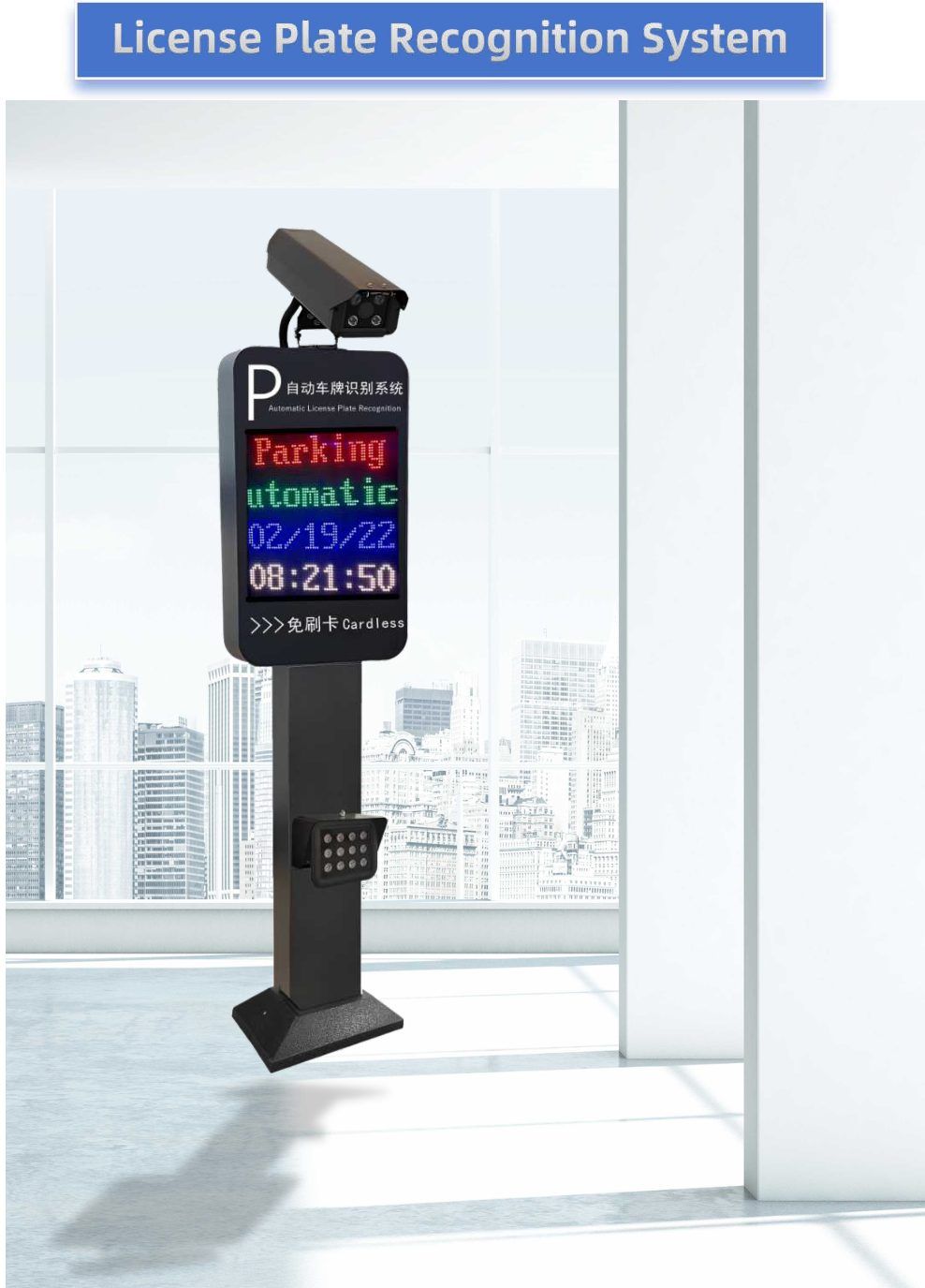
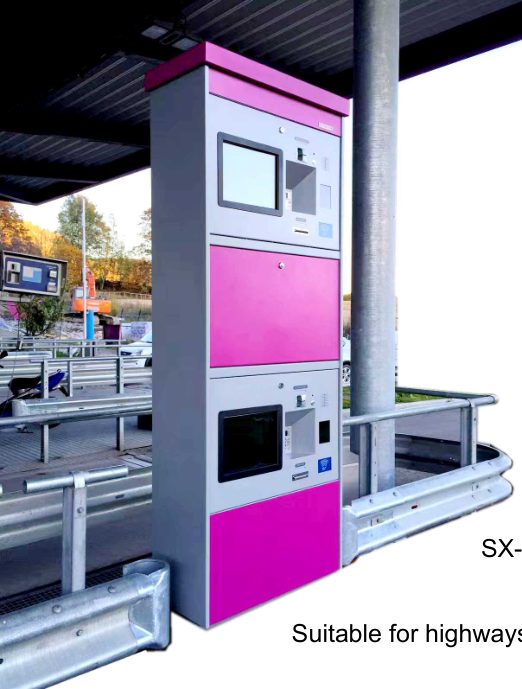
Fabricamos sistemas LPR de última generación y soluciones integrales de estacionamiento. Nuestras cámaras LPR utilizan IA para ofrecer más del 99,9% de precisión. Al integrarse con nuestras máquinas de pago de autoservicio, se automatiza completamente la recaudación de ingresos.
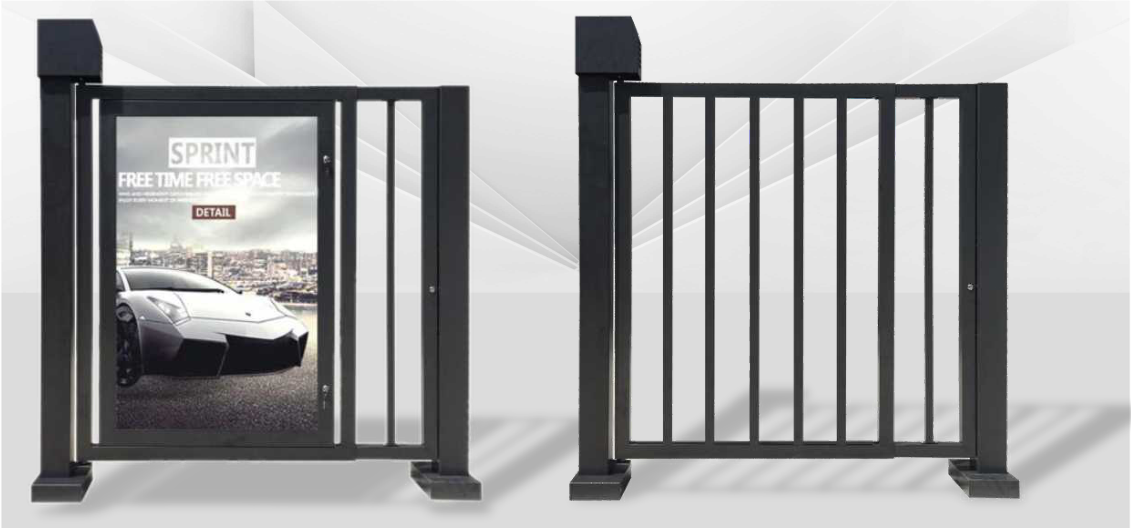
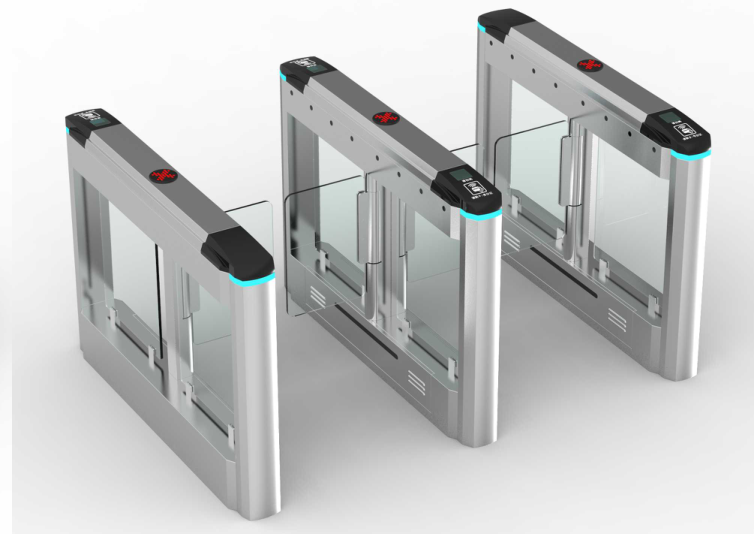
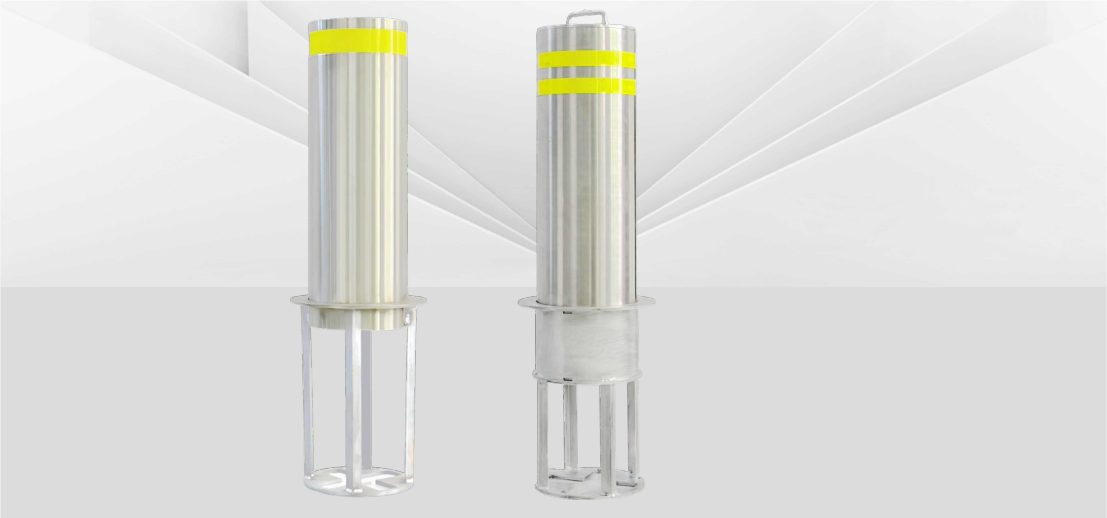
Ofrecemos torniquetes tipo flap, puertas batientes y torniquetes trípodes de acero inoxidable SUS304. Para perímetros de alta seguridad, nuestras pilonas retráctiles ofrecen una protección física formidable contra intrusiones vehiculares.
Comprar directamente de fábrica garantiza precios competitivos sin comprometer la calidad. Cada producto se somete a rigurosas pruebas (certificaciones CE e ISO9001). Además, ofrecemos servicios OEM/ODM para personalizar diseños y software según su proyecto.
Una barrera vehicular es más que un disuasivo físico; es una integración compleja de ingeniería mecánica y electrónica inteligente. Nuestros productos cuentan con carcasas de acero laminado en frío con recubrimiento en polvo anti-UV. Los mecanismos internos utilizan engranajes mecanizados con precisión y resortes de contrapeso de alta resistencia para ofrecer millones de ciclos sin problemas.
Las instalaciones modernas requieren operaciones fluidas. Al combinar nuestras barreras con cámaras de Reconocimiento de Matrículas (LPR), los operadores logran una entrada sin tickets. El sistema LPR verifica la placa y abre la barrera en milisegundos. Esto se complementa con nuestros quioscos de pago de autoservicio para un control de ingresos automatizado.
Mientras las barreras gestionan el tráfico vehicular, nuestros torniquetes peatonales aseguran el flujo de personas. Desde elegantes barreras tipo flap en vestíbulos corporativos hasta torniquetes de altura completa en sitios de construcción. Se integran fácilmente con lectores RFID, escáneres de huellas y terminales de reconocimiento facial.
Como fabricante dedicado, no solo suministramos hardware; proporcionamos soporte integral. Cada producto incluye manuales detallados. Nuestro equipo de soporte técnico asiste a integradores con resolución de problemas remota, asegurando que su proyecto se implemente perfectamente.
Al evaluar productos de control de acceso, las especificaciones técnicas dictan la confiabilidad del sistema. Nuestras barreras vehiculares están equipadas con microprocesadores inteligentes que gobiernan la velocidad del motor, permitiendo operaciones de arranque y parada suaves. Esta amortiguación electrónica reduce drásticamente el desgaste mecánico, permitiendo que nuestros modelos alcancen más de 5 millones de ciclos sin fallas.
Para nuestros torniquetes peatonales, utilizamos acero inoxidable SUS304 de alta calidad. Esta elección de material ofrece una resistencia superior al óxido y la corrosión. Las cerraduras de solenoide internas y los motores sin escobillas aseguran un funcionamiento suave y silencioso, procesando hasta 45 peatones por minuto sin cuellos de botella.
Además, nuestras máquinas de pago de estacionamiento y sistemas LPR están diseñados pensando en el usuario. Los quioscos cuentan con pantallas táctiles antirreflejo de alto brillo. Admiten interfaces en varios idiomas y procesan pagos en efectivo, tarjetas de crédito y pagos móviles. El software proporciona análisis de ingresos en tiempo real.
Cada producto que sale de nuestra fábrica se somete a un riguroso protocolo de control de calidad. Esto incluye pruebas en cámaras ambientales que simulan temperaturas extremas de -30°C a +70°C. Este compromiso con la calidad es la razón por la que los integradores de sistemas confían globalmente en nuestra marca para sus proyectos.
Podemos suministrar puertas de barrera + LPR + máquinas de pago + puertas para peatones como un paquete.
Solicitar Cotización →Elegir el equipo de control de acceso adecuado es una decisión crítica que impacta la seguridad, el flujo de tráfico y la eficiencia operativa. En BOOM BARRIER GATE FACTORY, fabricamos un conjunto completo de productos diseñados para trabajar en armonía. Una barrera vehicular es la primera línea de defensa para cualquier instalación. Controla visual y físicamente el acceso vehicular. Pero una barrera por sí sola a menudo no es suficiente. Necesita ser parte de un ecosistema más grande. Este ecosistema incluye lazos detectores de vehículos, que evitan que el brazo de la barrera baje sobre un automóvil, y fotocélulas infrarrojas, que proporcionan una capa adicional de seguridad. El corazón de nuestras barreras es el motor. Ofrecemos motores de inducción AC tradicionales para una confiabilidad rentable, pero nuestros productos estrella cuentan con motores DC sin escobillas (BLDC). Los motores BLDC eliminan la fricción de las escobillas físicas, lo que resulta en una vida útil que puede superar los 10 millones de ciclos. También permiten un perfilado de velocidad preciso, lo que significa que el brazo de la barrera puede acelerar rápidamente pero desacelerar suavemente antes de alcanzar su posición final, evitando el rebote mecánico y reduciendo el desgaste.
La integración es la clave para la gestión moderna de estacionamientos. Aquí es donde entran en juego nuestros sistemas de Reconocimiento de Matrículas (LPR). La tecnología LPR ha revolucionado la industria al eliminar la necesidad de tickets físicos o tarjetas RFID. Nuestras cámaras LPR utilizan algoritmos avanzados de reconocimiento óptico de caracteres impulsados por computación de IA en el borde. Esto les permite leer placas de varios países con precisión, incluso en condiciones de iluminación difíciles o en ángulos oblicuos. Cuando se acerca un vehículo registrado, la cámara LPR lee la placa, consulta la base de datos local o en la nube y envía una señal inmediata a la barrera para que se abra. Todo este proceso toma menos de un segundo, asegurando una experiencia de entrada sin fricciones. Para la gestión de visitantes o estacionamiento de pago, nuestros sistemas LPR se integran a la perfección con nuestras máquinas de pago de autoservicio. Estas máquinas actúan como cajeros automatizados. Aceptan una amplia variedad de métodos de pago, incluyendo monedas, billetes, tarjetas de crédito y pagos móviles. Cuentan con pantallas táctiles de alto brillo que son legibles a la luz solar directa, y carcasas robustas diseñadas para resistir el vandalismo y el clima severo. Al automatizar el proceso de pago, los operadores de las instalaciones pueden reducir significativamente los costos laborales y minimizar el error humano en la recolección de ingresos.
Si bien la gestión de vehículos es crucial, controlar el acceso peatonal es igualmente importante. Nuestra gama de puertas de acceso peatonal está diseñada para asegurar vestíbulos, entradas y áreas restringidas. Fabricamos barreras tipo flap, puertas batientes y torniquetes trípodes. Estos productos están construidos con acero inoxidable SUS304 de primera calidad, que ofrece una excelente resistencia a la corrosión y al impacto físico. Los mecanismos internos cuentan con cerraduras de solenoide y motores sin escobillas para un funcionamiento suave, silencioso y rápido. Nuestras puertas peatonales pueden procesar hasta 45 personas por minuto, evitando cuellos de botella durante las horas pico. Son altamente adaptables y se pueden integrar con varios sistemas de control de acceso biométrico, incluyendo escáneres de huellas dactilares, terminales de reconocimiento facial y lectores de tarjetas RFID estándar. Esto asegura que solo el personal autorizado pueda ingresar a zonas restringidas, mejorando la postura de seguridad general del edificio.
Para ubicaciones que requieren el más alto nivel de seguridad, como edificios gubernamentales, bases militares o infraestructura crítica, las barreras estándar pueden no ser suficientes. En estos escenarios, recomendamos nuestras pilonas retráctiles y bloqueadores de carreteras. Estos son bloqueos físicos de servicio pesado diseñados para detener vehículos no autorizados con fuerza. Nuestras pilonas retráctiles están disponibles en sistemas de accionamiento hidráulico, neumático y electromecánico. Cuando se levantan, presentan un obstáculo formidable; cuando se bajan, quedan al ras con la superficie de la carretera, permitiendo un flujo de tráfico sin impedimentos. Al igual que todos nuestros productos, se pueden integrar en un sistema de control de acceso centralizado, lo que permite operarlos de forma remota o activarlos automáticamente mediante credenciales autorizadas.
Como fabricante OEM/ODM, entendemos que cada proyecto es único. Ofrecemos amplias opciones de personalización en toda nuestra línea de productos. Los clientes pueden especificar colores de carcasa personalizados para que coincidan con su marca corporativa, seleccionar longitudes de brazo específicas (de 2.5m a 11.5m) y elegir entre varios tipos de brazos, incluyendo rectos, plegables (articulados) o tipo cerca. También podemos integrar iluminación LED o tiras reflectantes para una mayor visibilidad nocturna. Nuestro equipo de I+D es capaz de desarrollar integraciones de firmware y software a medida para garantizar que nuestro hardware se comunique sin problemas con sus plataformas de gestión existentes. Además, brindamos soporte técnico integral, que incluye manuales de instalación detallados, diagramas de cableado y asistencia para la resolución de problemas remota. Cada producto se somete a rigurosas pruebas de control de calidad, incluidas pruebas de cámara ambiental que simulan temperaturas extremas, para garantizar que funcionen de manera confiable en cualquier clima. Cuando elige BOOM BARRIER GATE FACTORY, no solo está comprando un producto; está invirtiendo en una solución de control de acceso robusta, escalable y altamente confiable.
Our products represent the pinnacle of access control engineering. Each barrier gate, payment kiosk, and turnstile is manufactured using state-of-the-art CNC machinery and robotic welding systems, ensuring consistent quality across every unit produced. The powder coating process employs environmentally friendly, lead-free polyester powders cured at precisely controlled temperatures to achieve a uniform, durable finish. Electronic components are sourced from globally recognized suppliers and undergo incoming quality control testing before being integrated into our assemblies.
Our engineering team continuously refines product designs based on field feedback from installations around the world. Improvements in motor efficiency, control board firmware, and mechanical durability are regularly incorporated into production runs, ensuring that our customers always receive the latest technology. Field upgrade kits are available for existing installations, allowing operators to benefit from these enhancements without replacing entire systems.
We are committed to sustainable manufacturing practices. Our factory utilizes energy-efficient production equipment, LED lighting throughout the facility, and a comprehensive recycling program for metal scraps, packaging materials, and electronic waste. The long service life of our products, achieved through superior engineering and rigorous quality control, reduces the environmental impact associated with frequent equipment replacement, contributing to a more sustainable security and parking management industry.
Selecting the right boom barrier gate supplier is one of the most consequential decisions a system integrator, property developer, or parking facility manager will make. The reliability, longevity, and security of your entire access control infrastructure depend on the quality of the hardware you install. When evaluating potential suppliers, there are several critical factors to consider. First and foremost is the manufacturer's production capability. A factory with automated CNC machining centers, robotic welding arms, and dedicated assembly lines can produce consistently high-quality products at scale. Look for suppliers who are transparent about their manufacturing processes and who are willing to provide factory audit reports or virtual tours. The second factor is the manufacturer's track record and certifications. ISO 9001 certification for quality management systems, CE marking for European compliance, and any industry-specific safety certifications demonstrate that the supplier adheres to internationally recognized standards. At BOOM BARRIER GATE FACTORY, we hold these certifications and subject every barrier gate to a comprehensive battery of tests before it leaves our facility.
The third factor is the breadth and depth of the product line. A supplier that only offers one or two models may not be able to meet the diverse requirements of a multi-site deployment. A comprehensive product portfolio should include AC motor barrier gates for cost-sensitive applications, DC brushless motor barriers for high-traffic environments, servo motor barriers for high-speed toll applications, folding arm barriers for height-restricted sites, and fence arm barriers for high-security perimeters. Additionally, the supplier should offer complementary products such as license plate recognition cameras, self-service payment kiosks, pedestrian access gates, and vehicle detection systems. A supplier with a complete ecosystem can ensure seamless integration between all components, eliminating the finger-pointing that often occurs when products from multiple vendors fail to communicate properly. Another crucial consideration is the supplier's OEM and ODM capabilities. Can they customize the housing color to match your brand identity? Can they pre-program the control board with your specific operational logic? Can they integrate third-party peripherals such as biometric readers or cloud-based management software? A flexible manufacturer who can adapt their products to your exact specifications is infinitely more valuable than one who can only offer off-the-shelf solutions.
After-sales support is the fourth and often most overlooked factor in supplier selection. Access control systems are mission-critical infrastructure. When a barrier gate malfunctions at a busy parking facility, every minute of downtime results in lost revenue and frustrated customers. You need a supplier who maintains a substantial inventory of spare parts, who can ship replacement components via express courier, and who provides responsive technical support via phone, email, and video call. Ask potential suppliers about their warranty terms, their average response time to support inquiries, and whether they provide detailed technical documentation, wiring diagrams, and troubleshooting guides. A supplier who invests in customer success will offer installation training, commissioning assistance, and ongoing firmware updates to keep your equipment running at peak performance. At BOOM BARRIER GATE FACTORY, our support team includes engineers with years of field experience who can diagnose issues remotely and guide on-site technicians through complex repair procedures.
The geographic reach and logistics capabilities of the supplier are also important. International shipping of heavy electromechanical equipment requires careful packaging to prevent damage during transit. Our products are packed in custom-molded foam inserts within reinforced plywood crates, with moisture-absorbing desiccant packs to protect against humidity during ocean freight. We have experience shipping barrier gates to customers across South America, the Middle East, Southeast Asia, Africa, Europe, and North America, and we understand the import documentation requirements for each region. Our logistics team coordinates with freight forwarders to ensure timely delivery and provides tracking information at every stage of the shipment. We also offer consolidated shipping options for customers ordering multiple product lines, reducing overall freight costs.
Price is obviously a consideration, but it should never be the sole deciding factor. A cheap barrier gate that fails after six months will end up costing far more in repairs, replacements, and lost business than a premium-quality gate that operates reliably for a decade. When comparing quotes, look beyond the unit price and consider the total cost of ownership. Factor in the expected service life (measured in millions of cycles), the availability and cost of spare parts, the ease of installation and maintenance, and the energy consumption of the motor. DC brushless motors, for example, may have a higher upfront cost than AC induction motors, but their superior energy efficiency, lower maintenance requirements, and extended lifespan often make them more economical over a five to ten-year horizon. Our sales engineers are trained to help customers select the most cost-effective solution for their specific application, rather than simply pushing the most expensive model.
Finally, consider the supplier's commitment to innovation and continuous improvement. The access control industry is evolving rapidly, driven by advances in artificial intelligence, cloud computing, and the Internet of Things. A forward-thinking manufacturer will invest in research and development, continuously refining their products and introducing new features that enhance security, convenience, and operational efficiency. Ask potential suppliers about their product roadmap, their latest innovations, and how they incorporate customer feedback into their design process. A supplier who treats their relationship with you as a long-term partnership rather than a one-time transaction will be far more invested in your success. At BOOM BARRIER GATE FACTORY, we view every customer relationship as a collaboration. We actively solicit feedback from system integrators and end users, and we use this input to drive our product development efforts. This customer-centric approach has resulted in numerous product innovations that address real-world challenges in parking management and security operations.
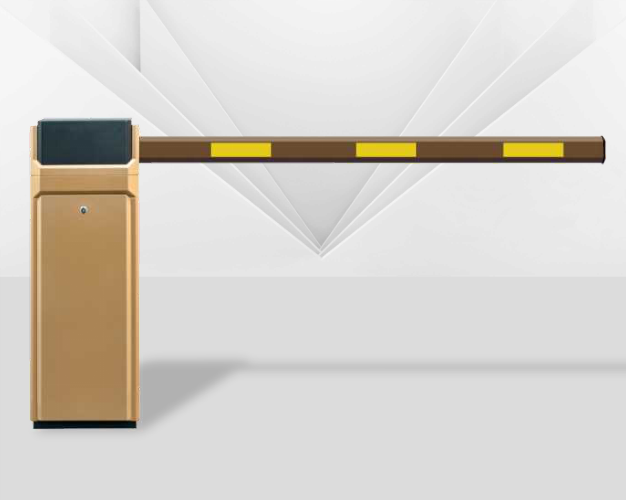
Proper installation is essential to ensure the long-term reliability and safety of any boom barrier gate system. The installation process begins with a thorough site survey to evaluate the physical conditions of the intended location. The installer must assess the lane width, the presence of any underground utilities, the condition and thickness of the concrete or asphalt pavement, and the availability of electrical power. The foundation is the most critical aspect of barrier gate installation. For most standard barrier gates, a reinforced concrete plinth with dimensions of approximately 600mm by 600mm by 400mm deep is sufficient. However, for heavy-duty or high-speed barriers, larger foundations may be required to handle the additional dynamic forces generated during operation. The concrete must be allowed to fully cure, typically for a period of seven days, before the barrier cabinet is mounted. This ensures the anchor bolts will not shift or loosen over time. The cabinet must be precisely leveled both horizontally and vertically to prevent uneven wear on the internal bearings and to ensure the boom arm rests flat in the horizontal position. Even a slight misalignment can cause the arm to drift or bind, shortening the life of the motor and gearbox.
Electrical installation must be performed by a qualified electrician in accordance with local electrical codes. The barrier gate requires a dedicated circuit with appropriate overcurrent protection. Voltage fluctuations can damage the sensitive electronics on the control board and cause erratic motor behavior. For installations in areas with unstable power grids, we strongly recommend the installation of a voltage stabilizer or an uninterruptible power supply. The wiring connections for the motor, control board, limit switches, and external peripherals such as loop detectors and photocells must be carefully routed through the designated cable glands to maintain the IP rating of the cabinet. All connections should be double-checked against the provided wiring diagram before power is applied. A common installation error is reversing the motor phase connections, which can cause the barrier to operate in the wrong direction, potentially damaging the mechanical end-stops.
The calibration of safety devices is a step that must never be skipped or rushed. Inductive loop detectors should be positioned precisely in the center of each lane, typically two to three meters from the barrier cabinet. The sensitivity of the loop detector must be adjusted to reliably detect vehicles while ignoring false triggers from adjacent lanes or metal objects in the vicinity. Infrared photocells should be mounted approximately 500mm above the ground surface on robust posts on both sides of the lane. They must be perfectly aligned so that the emitter beam is received cleanly by the detector. After alignment, the photocells should be tested by passing a vehicle through the beam at various speeds to confirm that the signal is relayed to the control board correctly. The auto-reverse and anti-smash functions should be tested by placing a soft barrier on the ground and manually triggering the gate to close. The gate should immediately reverse direction upon contacting the obstacle. This test should be performed with a new installation and repeated periodically as part of a maintenance schedule.
Integration testing with third-party access control equipment is the final stage of installation. If the barrier is connected to an LPR camera system, the installer must verify that the camera captures a clear image of approaching vehicles, correctly extracts the license plate characters, and sends the appropriate relay signal to the barrier control board within the specified time window. For RFID-based systems, the read range of the reader should be verified with test tags placed in various positions on the vehicle. The system should be tested under various environmental conditions, including at night with headlight glare and during rain, to ensure consistent performance. All configuration parameters, including opening speed, closing speed, auto-close delay time, and the operational logic for different input triggers, should be documented and saved. A comprehensive handover package, including as-built installation drawings, wiring diagrams, configuration settings, and maintenance schedules, should be provided to the facility manager.
Ongoing preventive maintenance is the key to maximizing the service life of a boom barrier gate. We recommend a monthly visual inspection of the boom arm for signs of physical damage, loose reflective tape, or LED strip failure. The counterbalance spring tension should be checked and adjusted if necessary to ensure the arm is properly balanced. A balanced arm requires minimal motor effort to lift, reducing energy consumption and extending motor life. The gearbox, if applicable, should be lubricated with the manufacturer-recommended grease every six months using the designated grease nipples. The control board enclosure should be opened periodically to inspect for signs of moisture ingress, insect infestation, or loose terminal connections. The firmware version of the control board should be checked annually, and upgrades should be applied if new features or bug fixes have been released. Safety devices, including loop detectors and photocells, should be functionally tested at least quarterly. A simple obstruction test, where a physical object is placed in the path of the closing barrier, is the most reliable way to confirm that the safety mechanisms are working correctly. By adhering to these installation and maintenance best practices, facility operators can expect their boom barrier gate to deliver trouble-free service for many years, maximizing their return on investment and ensuring the safety and security of their managed environment.